How To Prepare For A Kitchen Remodel | Arlington General Contractor’s Advice
August 27, 2025
Uncategorized
Understanding Your Kitchen Needs: Assessing Your Lifestyle and Design Preferences
Before picking up a hammer or selecting the finishes for your space, it is critical to understand what you truly need from your kitchen. A shiny new appliance may look tempting, but if it does not align with your day-to-day habits, it will not add true value. Therefore, thinking carefully about your cooking frequency, the complexity of your recipes, and the number of people in your household is essential. If you frequently host large gatherings, you might consider a bigger range or more counter space. Conversely, if you are a “quick meal and go” type of individual, a functional layout with minimal fuss may be more in line with your lifestyle. In this regard, studying how to prepare for a kitchen remodel means listening to your practical side as much as to your design aspirations. To gain further insight into budgeting, you may want to explore how much a kitchen remodel costs by visiting this link: how much does a kitchen remodel cost.
Moreover, defining your design preferences goes hand in hand with understanding your functional requirements. Do you prefer sleek modern lines, or are you drawn to a more rustic, natural atmosphere? These questions influence important decisions, including the types of countertops you select, the color schemes you explore, and even how you install your cabinetry. Since a kitchen remodel is a long-term investment, avoid trends that might appear outdated within a few years. Instead, you might favor choices that reflect personal style while maintaining a timeless aesthetic. A design that merges your color palette preferences with the right hardware and layout choices can keep your space appealing for years to come.
In addition, think about how you use different parts of your current kitchen. Identify the “pain points”: insufficient storage, awkward traffic flow, or inadequate lighting. Notice whether you require additional pantry space or more drawers for utensils. Then, integrate these insights into your renovation blueprint. If you share these details with your design professional or contractor, you will have a more effective collaboration right from the start. Lastly, for more guidance on specific design elements, you may find value in our related article, “Top Kitchen Design Trends,” which offers further inspiration on customizing the look and feel of your future space. Ultimately, taking the time to assess your lifestyle and preferences will guard against unnecessary complications later on, ensuring the choices you make resonate with the kitchen style you have always imagined.
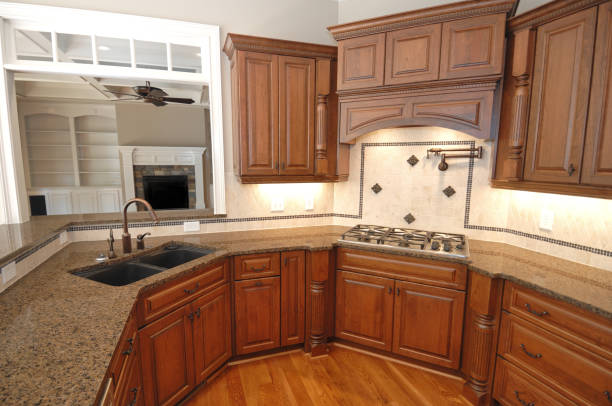
New home kitchen interior.
Setting a Realistic Budget: How to Balance Cost and Quality in Your Kitchen Remodel
Establishing a clear budget is an indispensable step in any kitchen remodeling project. While it is tempting to get lost in the world of high-end finishes and luxury appliances, it is crucial to separate your wants from your actual needs. This is where honest self-reflection and an accurate assessment of available funds become invaluable. For instance, if you love the idea of a high-performance gas range but rarely cook gourmet meals, you might decide to invest your money elsewhere—perhaps on cabinetry or countertops that will see everyday use. A balanced approach that aligns your resources with practical considerations enables you to stay on track financially. For more insights, check out What Are The Benefits Of Kitchen Remodeling.
Moreover, many homeowners fall into the trap of allocating too much of their budget to a single aspect of the remodel, whether it is the countertops, flooring, or appliances. Consequently, they discover they have little left for other crucial elements. In an ideal scenario, you would portion out costs to reflect the overall importance of each feature to your daily routine and long-term enjoyment. For example, the cabinets and countertops play a large role in how your kitchen appears and functions. Therefore, designating adequate funds to those items—from selecting durable materials to choosing color palettes that coordinate with your home’s broader aesthetic—can ensure a polished end result. Meanwhile, it is still wise to set aside a small contingency fund of around 10-20% of your total budget. This allocation will help you manage unexpected expenses that often arise as the project progresses.
Additionally, it is useful to gather multiple quotes from professionals, such as general contractors DC residents frequently hire. Not all contractors will offer the same services or standard of craftsmanship, so obtaining different estimates allows you to identify fair pricing. Furthermore, ask each potential contractor for a detailed breakdown of costs, so you can distinguish between labor expenses, materials, and any extra fees. By doing so, you not only minimize the chances of financial surprises but also ensure that you select a contractor who delivers excellent results. If you want to learn more about this process, check out our guide on how to choose a kitchen remodeling contractor. Ultimately, setting a realistic budget is a matter of thorough research, careful planning, and disciplined spending. By taking all these factors into account, you safeguard yourself from stress and keep the project running smoothly.
Choosing the Right General Contractor: What to Look for in General Contractors in DC
Finding the right construction partner can make or break your kitchen remodel. Especially in a highly competitive region, general contractors DC homeowners trust boast qualifications, experience, and a track record of excellence. So, how do you begin sorting through multiple options? Firstly, start by soliciting recommendations from friends, neighbors, or local community groups who have undertaken similar remodeling projects. These personal testimonies can yield genuine insights into a contractor’s timeliness, communication style, and ability to stick to the agreed budget. Secondly, do your own research by reading reviews on home improvement forums and social media. While every contractor may receive the occasional negative comment, repeated complaints about missed deadlines or inferior workmanship can be a red flag.
Furthermore, once you find a prospective general contractor, do not hesitate to ask for references and examples of past work. These references serve as proof of the contractor’s ability to bring complex projects to fruition. In addition, you should gauge whether they have specific experience in kitchen remodels. Although general skills often overlap, contractors with direct experience in kitchen-specific renovations can point out potential pitfalls earlier in the process, which might save you both time and money. Ask direct questions: have they ever worked with your desired countertop material? Are they familiar with the intricacies of the plumbing and electrical work needed for a modern kitchen? Their answers will either confirm your confidence or signal that you need to explore further options.
Of course, the practicalities of project management and communication matter just as much as craftsmanship. You need a contractor willing to provide regular updates on progress, adapt to unforeseen issues, and value your input. If you experience difficulties contacting them or notice they do not respond to your questions in a timely manner, that might be a sign of problems to come. In conclusion, engaging the right contractor involves more than just reviewing cost estimates. It extends into the intangible realm of trust, expertise, and consistent follow-through. A reliable partnership sets the stage for a harmonious renovation, letting you focus on creative decisions without worrying about whether the fundamental aspects of the work are being handled properly. For more details on other key traits to seek, check out our post, “Qualities of an Excellent Home Contractor,” which digs deeper into these essential factors.
Preparing Your Home for the Remodeling Process: Tips for a Stress-Free Experience
Before the first day of construction begins, take the time to lay the groundwork for a smooth experience. After all, you are about to give your home’s central gathering place a transformative overhaul. Therefore, addressing practical details will help you stay organized and reduce chaos during the renovation. Firstly, consider creating a temporary kitchen setup in another part of your home. You might set up a small table or cart with essential items such as a microwave, kettle, and mini-fridge. Stocking up on disposable utensils and plates can also reduce the aftermath of dishwashing in a cramped bathroom sink. This strategy can significantly ease the pressure when you do not have regular access to your usual cooking space. For further tips on setting up this temporary zone, see our helpful article, “Surviving a Kitchen Remodel With Minimal Disruption.”
Clearing the area of breakables and valuables is another vital step in how to prepare for a kitchen remodel. Accidents can happen when contractors are moving large items or conducting demolition. Consequently, removing fragile decor pieces and safely storing them elsewhere will prevent unfortunate outcomes. Additionally, covering or removing furniture near the kitchen keeps dust from accumulating in places you would not expect. Though reputable contractors typically have measures in place to minimize dirt and debris, it never hurts to be extra cautious with your belongings.
Focusing on communication with your chosen contractor is equally important. Determine what access they will need, and discuss the best times for deliveries and noisy work. By establishing clear guidelines in advance, your contractor can schedule tasks in a way that respects your household’s routines. Furthermore, consider posting a contact list in a visible area, including the contractor’s office number, your project manager, and any other relevant points of contact. This small step ensures everyone knows where to turn in case an immediate question arises. In short, these preparations form the bedrock of a successful remodel. By dedicating effort to logistics and organization, you lay a solid foundation for a smoother, more rewarding renovation process.
Timing Your Kitchen Remodel: When is the Best Time to Undertake This Project?
The question of timing often arises whenever a homeowner considers a major kitchen renovation. Is summertime the perfect season, or would it be less disruptive to wait until the holiday season is over? The best time to start depends on a few key factors, such as your household’s schedule, potential weather constraints, and the availability of skilled professionals like general contractors DC. In many cases, tackling a kitchen project during the warmer months can be advantageous. Firstly, you can grill outdoors more frequently, minimizing the inconvenience of losing your indoor cooking space. Secondly, you often have lengthier daylight hours, which can be beneficial for contractors completing various tasks. However, because so many people opt for summertime remodeling, availability might be tighter, and contractors’ rates can sometimes reflect higher seasonal demand.
Conversely, scheduling your remodel during off-peak seasons, such as late winter or early spring, might offer some advantages. Contractors can sometimes give a more individualized focus if they have fewer clients at that time. Moreover, you might find better deals on materials or appliances during end-of-year or post-holiday sales. Then again, if you live in an area with harsh winters, you should consider the increased complexity storms or freezing temperatures bring to your project. Exterior doors, windows, or any expansions to your home could become tougher to navigate in inclement weather. Additionally, keep in mind that a kitchen renovation during the holidays could interrupt traditional family gatherings and add stress during an already busy time of year.
Another significant factor is your personal readiness. You should align the remodel with a period when you have enough energy, time, and resources to handle disruptions to your daily routine. If you foresee a lull at work, that might be the ideal moment to embark on the project. On the other hand, taking on a remodel while juggling major family events or personal commitments can unnecessarily complicate the process. Ultimately, there is no universal perfect time to renovate. Each season offers potential gains and pitfalls, so the key is to weigh those considerations carefully against your personal schedule, budget, and level of preparedness. In conclusion, timing can indeed influence the cost and convenience of your remodel; nonetheless, thorough planning and clear communication with your contractor will help you strike the right balance.
Common Pitfalls to Avoid: Lessons Learned from Previous Kitchen Remodels
Acknowledging typical mistakes in a remodeling project can help you steer clear of costly setbacks. Firstly, underestimating the timeline is a classic error that adds stress and can inflate labor costs. You may be eager to see instant transformations, but rushing through steps like plumbing, electrical work, or cabinetry installation can lead to substandard results. Instead, following a well-structured timeline in collaboration with your contractor keeps the workflow efficient and reduces the likelihood of having to redo any part of the design. Secondly, trying to manage every detail on your own is another pitfall. Doing it all might seem like a cost-saving measure, yet juggling different trades, handling deliveries, and resolving ongoing issues can become overwhelming if you are not a seasoned project manager. This is precisely why so many homeowners reach out to experienced general contractors for guidance.
Furthermore, overemphasizing trends can leave you with a kitchen that feels out of style just a few years later. The allure of current design fads is certainly tempting, but you should balance that desire with choices that prove timeless in the long run. For instance, bright accent walls or boldly patterned tiles might look incredible when you first install them, but they can quickly make your space seem dated. On the other hand, focusing purely on practicality without considering aesthetic harmony can make your kitchen unimaginative. Consequently, a balanced approach that merges function and beauty is best. Another issue many homeowners encounter is skipping the research when it comes to appliances and materials. It is wise to consider the energy efficiency, durability, and repair history of any appliances you plan to purchase. Also, always check the manufacturer’s warranty and service options.
Finally, poor communication or failing to define roles can lead to confusion about responsibilities. This includes everything from who coordinates the delivery of materials to who is charged with cleanup tasks. If you want the renovation to run smoothly, maintain straightforward lines of communication and clarify who is handling each portion of the project. Asking frequent questions and voicing concerns promptly can prevent minor issues from escalating into major disruptions. By learning from these common pitfalls, you further your understanding of how to prepare for a kitchen remodel effectively and position your project for success. Furthermore, exploring case studies or testimonials from people who have already navigated the process can provide helpful insights on exactly what to avoid and how to keep your remodeling plan on track.
Conclusion: Your Path to a Successful Kitchen Remodel Experience
Every step you take, from defining your kitchen’s purpose to fine-tuning your preferred design style, paves the way for a renovation that exceeds your expectations. Indeed, clarity in budgeting, timing, and contractor selection helps you combine the many moving parts of a remodel into a cohesive project. Further, partnering with reputable general contractors DC homeowners rely on adds a layer of professional oversight that can transform the process from a daunting undertaking to a rewarding journey. With proper guidance, you can steer each decision—whether it relates to your countertop choices, storage solutions, or lighting fixtures—toward a result that fits naturally into your life and personal aesthetic.
Of course, ensuring long-lasting satisfaction does not end with packing up the tools and polishing your new countertops. Continual care, timely maintenance, and an openness to minor adjustments can extend the life of your remodel. For example, periodically checking for leaks in under-sink cabinets or regularly cleaning and sealing your countertops can preserve their good condition. Additionally, re-evaluating your storage and layout a year or two after completion can help you discover small improvements that further optimize your space. When you treat your renovated kitchen as an evolving extension of your lifestyle, your investment becomes all the more worthwhile.
In summary, finding success lies in following a structured yet flexible approach. You have now learned the most important aspects of how to prepare for a kitchen remodel—starting with assessing what matters most to you and culminating in the selection of expert help suitable for your needs. Above all, remember that a well-planned renovation can enhance your home’s comfort and value simultaneously. By carefully navigating each stage—planning, budgeting, choosing the right help, and avoiding common pitfalls—you position yourself to enjoy a beautiful, functional kitchen for many years to come. We hope this comprehensive guide has given you the confidence to tackle your next remodeling venture, and we invite you to explore our related posts for further insight, tips, and inspiration.